
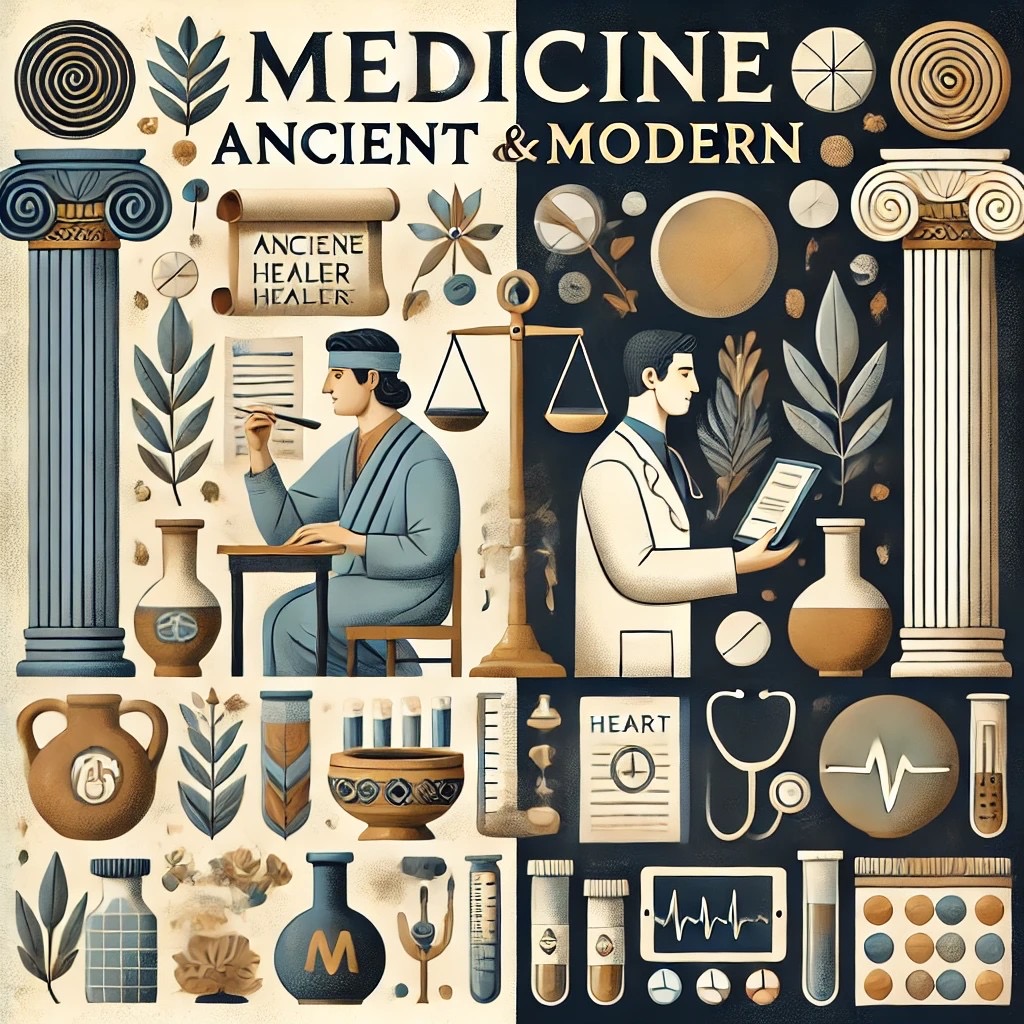
Hello ladies & gentlemen. I have found you another interesting subject based on truth. Who else can give you such information if not me. Trust in Yah in his son, and everything you ever long for in truth will be granted according to his will. The powers that be, though we won’t figure this out!!! You can imagine implementing such ideology or belief to the masses and emancipation them from our current predicament by the rulers of darkness. As a guy who understands the healthcare system, i can say when a plant/herbs has been turned into pab experiments by changing its natural state to man made effect, then we know it’s monetization season. We know our Father very well. Let me take you on a tour to my own real father’s compound of truth, as the ruach will show you the narrow way under his reach.
let’s direct what he showed me. Prepare your mind for found treasure.
The Ethiopian Bible (based on the Geʽez tradition) does not use modern medical categories like stroke, heart attack, or brain hemorrhage.
Instead, it speaks in terms of:
Sudden paralysis
Loss of strength
Striking, smiting, or affliction by God
The spirit departing
Disease sent as judgment
So, if a stroke occurred, it would be described phenomenologically, not medically.
2. Closest examples in the Ethiopian Biblical tradition
King Uzziah – sudden divine affliction
Uzziah was struck with leprosy immediately after committing sacrilege.
This shows instant bodily judgment, though not neurological.
Ethiopian tradition emphasizes immediacy as divine response.
2 Chronicles 26 (also accepted in Ethiopian canon)
Nabal – heart and body failure
“His heart died within him, and he became as a stone… and about ten days later the LORD struck Nabal, and he died.”
Sudden collapse
Loss of bodily function
Death following divine judgment
Ancient readers could easily understand this as stroke-like (sudden incapacitation), but the text does not label it as such.
1 Samuel 25
Herod Agrippa I – struck suddenly
“Struck by an angel of the Lord”
Immediate physical collapse
Death follows
Acts 12 (also present in Ethiopian canon)
Again, divine strike, not medical diagnosis.
3. Ethiopian extra-biblical books (Enoch, Jubilees)
Even in Book of Enoch and Book of Jubilees:
Punishments are described as:
Sudden destruction
Weakening of the body
Loss of breath or strength
No specific neurological event like a stroke is described
Illness is portrayed as spiritual consequence, not physiological detail.
4. Why “stroke” never appears explicitly
Ancient medicine did not understand cerebral events
Hebrew and Geʽez language focus on cause, not mechanism
Judgment is framed as:
“The LORD struck”
“The spirit departed”
“Strength left him”
The Bible is theological, not clinical.
5. Important theological distinction
The Ethiopian tradition strongly teaches:
Not all illness is punishment for sin
This is emphasized in:
Job
Wisdom literature
Teachings of Christ
God can judge, but illness itself is not proof of guilt.
Phenomenologically means:
describing something as it is experienced or observed, rather than explaining its hidden causes or technical mechanisms.
In simpler terms:
What it looks like
What happens to the person
What observers see —not why it happens biologically or scientifically.
1. Phenomenological vs medical (quick contrast)
Phenomenological description
“He suddenly lost strength”
“His body became stiff”
“He fell and could not speak”
“His heart became like stone”
Medical description
“Ischemic stroke”
“Cerebral hemorrhage”
“Neural paralysis”
“Cardiac arrest”
Ancient texts—including the Bible—always use the first kind.
2. How the Bible uses phenomenological language
Biblical writers describe visible effects, not internal anatomy:
“The LORD struck him”
“His breath left him”
“He could not rise”
“He became mute”
“His strength failed”
They are recording human experience, not diagnosing disease.
3. Why ancient texts speak this way
No knowledge of brain physiology
Focus on meaning, not mechanism
Events interpreted through spiritual causation
Writing aimed at moral instruction, not medicine
So instead of saying:
“He had a stroke,”
they would say: “He was struck and could not move.”
4. Everyday modern example
If someone says:
“I blacked out and couldn’t move my arm”
That’s a phenomenological report.
A doctor later might say:
“You had a transient ischemic attack.”
Same event—different explanatory level.
5. Why does this matter for biblical interpretation
When reading ancient Scripture:
Don’t force modern diagnoses onto the text
Read descriptions as observed reality
Understand theology and worldview shape language
This helps avoid misunderstandings like:
“The Bible says God caused a stroke”
when the text only says: “He was suddenly struck and weakened.”
When you are trying to understand ancient texts from the modern lense. These texts were written thousands of years ago before the new modern age of science and medicine in their departments, such as pathology, neurology, etc. We know everything is spiritual, as this evil healthcare system has suppressed the natural orientation of exercising true medicine. it’s not a coincidence why the vicious blood sucking system is set up this way by the unseen hands. You can imagine our lively hood/existence has been stolen away from us by some reptilian LORDS.
1. The medical world does understand this
Modern medicine is built on the difference between:
Symptoms (what you experience) → phenomenological
Diagnosis (what’s happening physically) → scientific
For example:
A patient says: “My arm went numb and I couldn’t speak”
A doctor diagnoses: “That was a stroke”
So doctors absolutely think in both ways—they just don’t use ancient-style wording anymore.
2. Why it seems like people aren’t aware
A. Most people read ancient texts like modern reports
When people read the Bible today, they often:
Assume it’s written like a medical or scientific document
Expect precise diagnoses
But biblical texts were written thousands of years before fields like:
Neurology
Pathology
So there’s a mismatch in expectations.
B. Language changed over time
Ancient writers used phrases like:
“struck by God”
“his strength left him”
Today we use:
“brain hemorrhage”
“nerve damage”
Same event, different vocabulary systems.
C. Science focuses on cause, not meaning
Modern medicine asks:
What caused this physically?
What part of the body failed?
Ancient texts ask:
What does this mean?
Why did this happen in a moral or spiritual sense?
So they’re answering different questions.
D. Not everyone studies ancient context
Understanding this properly usually requires:
Theology
History
Linguistics
Most people haven’t studied those deeply, so they read ancient descriptions too literally or too modernly.
3. Even today, we still use phenomenological language
you might not notice it, but we still say things like:
“I feel dizzy”
“My heart skipped a beat”
“I froze”
“I went blank”
Those are experience-based descriptions, not medical diagnoses.
4. The real issue: mixing categories
Confusion happens when people mix:
Ancient phenomenological language with
Modern scientific expectations
That leads to questions like:
“Why doesn’t the Bible mention strokes?”
It’s like asking:
“Why doesn’t a weather report from 2,000 years ago mention barometric pressure?”
They were describing the experience, not the mechanism.
5. Bottom line
The medical world fully understands these
Modern medicine (fields like Neurology and Pathology) is designed to answer:
What physically happened?
What part of the body failed?
How can we treat it?
It is not equipped to answer:
Was this God’s judgment?
Is there a spiritual cause behind this?
Those fall under:
Theology
Philosophy.
I REST MY CASE!!
Follow Trwth Radio on Social Media


You May Also Like

THE ROTTEN EVIL LEAKAGE AGAI ...
19 November 2023

RAISING CHILDREN IN RIGHTEOU ...
17 November 2022

DISCERNING LIFE WISELY
31 March 2022
About Trwth Radio
Popular Posts


THE ROTTEN EVIL LEAKAGE AGAINST THE GODS
November 19, 2023
RAISING CHILDREN IN RIGHTEOUSNESS
November 17, 2022
Our Products


Leave a Comment